

Cloud-Clone Catalogue Covers More Than 120 Canine Primary Cell Types Across 13 Organ Systems
News originally published by
EIN Presswire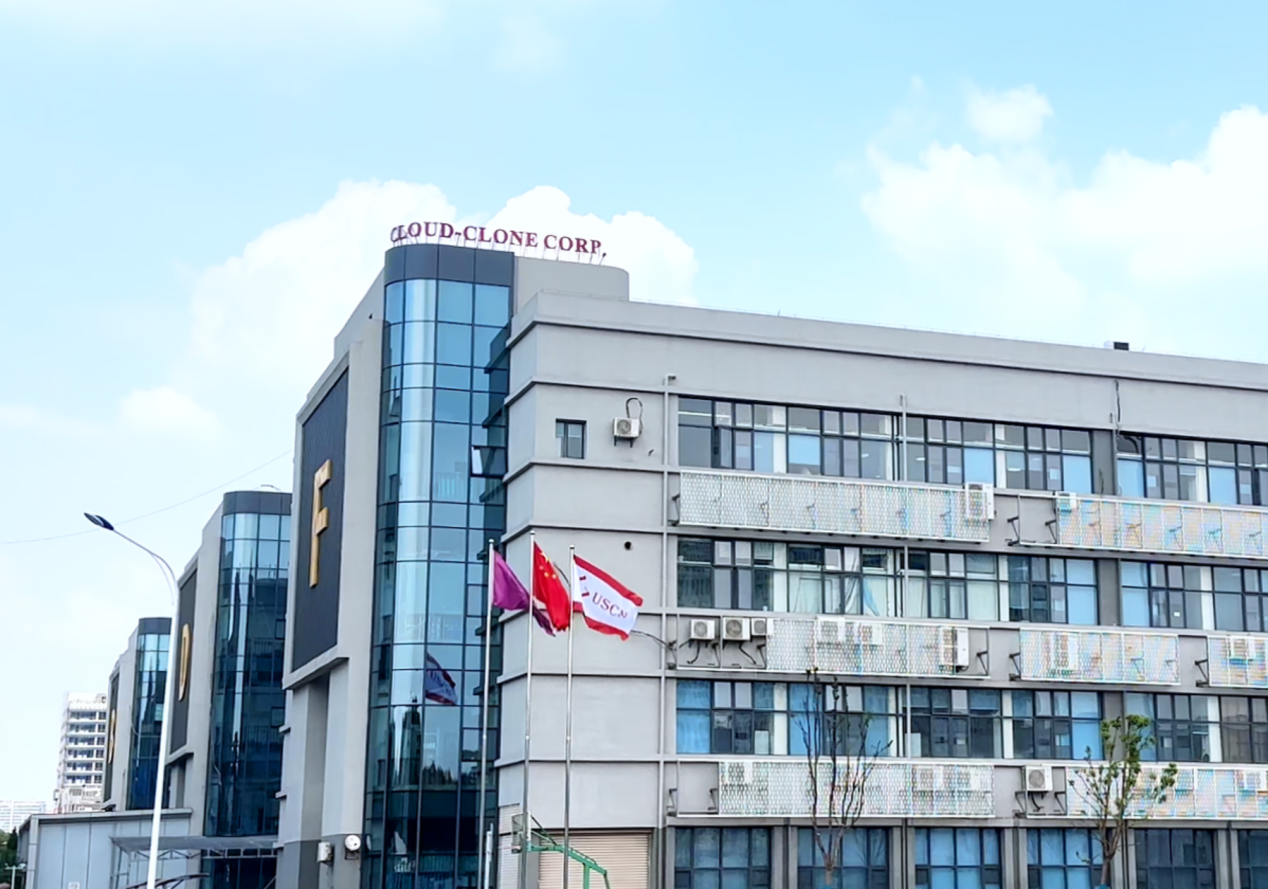
Portfolio is offered with matched culture media and detection reagents, all products are isolated under ISO-certified workflows using SPF-grade source animals
HUSTON, TX, UNITED STATES, November 11, 2026 /EINPresswire.com/ -- Cloud-Clone has announced the availability of a canine primary-cell catalogue covering more than 120 cell types across 13 organ systems, supplied together with matched culture media and detection reagents. The company said that canine primary-cell products are isolated and characterised under ISO-certified procedures, with source animals obtained from an SPF-grade facility licensed for both animal production and research use.
Figure 1 Cloud-Clone Corporate Main Building
Canine models are used in comparative medicine and veterinary research to study hereditary disease, oncology, neuroscience, cardiovascular pathology and immunology. Primary cells are isolated directly from canine tissue and retain the physiological and pathological features of the source animal, a property that distinguishes them from immortalised cell lines.
Supply of canine material has developed more slowly than the human primary-cell market. Canine primary-cell lines are offered by a limited number of suppliers, catalogues have been fragmented, and quality-control standards have varied between vendors, so laboratories often approach several suppliers to obtain suitable cells.
The catalogue described by Cloud-Clone organises canine cell types by organ system and is produced by a single manufacturer. According to the company, products are supplied through distributors, OEM arrangements and direct enquiries.
Canine Primary Cells in Veterinary and Comparative Research
Demand for canine cell models has grown alongside companion-animal care and the veterinary pharmaceutical sector.
Studies of canine tumours, osteoarthritis, cardiovascular conditions, dermatological disorders, reproductive dysfunction and immune-mediated diseases use physiologically relevant cellular models for mechanistic investigation and drug-performance evaluation.
Veterinary pharmaceutical development, companion-animal vaccine development, functional pet-food formulation, regenerative medicine and cell-therapy research have extended demand for canine primary cells from academic laboratories into industrial development workflows.
Production of canine primary cells involves tissue sourcing, isolation, species-specific identity verification, optimisation of culture conditions and microbial-contamination control. Each step affects cell performance and experimental reproducibility, and the number of manufacturers able to carry out production at scale is limited.
Portfolio Coverage Across 13 Organ Systems
Cloud-Clone states that its canine primary-cell products are derived from SPF-grade animal tissue and are assigned product-identification codes to simplify catalogue search and ordering. The portfolio is organised by organ system.
The catalogue lists canine primary cells for 13 organ systems, with the cell types described below.
Nervous system (18 cell types) includes canine brain astrocytes, brain microvascular endothelial cells, Schwann cells, hippocampal neurons, cerebral-cortical neurons, dorsal-root-ganglion neurons, sciatic-nerve-derived peripheral fibroblasts, optic-nerve astrocytes and others. These materials support projects investigating central-nervous-system support functions, neuroinflammation, blood-brain-barrier physiology, myelin formation, nerve-injury repair, synaptic plasticity, neurodegeneration, neuropathic pain and epileptic pathogenesis.
Cardiovascular system (12 cell types) comprises canine cardiac microvascular endothelial cells, aortic endothelial cells, cardiomyocytes, cardiac fibroblasts, aortic smooth-muscle cells, heart-valve interstitial cells, pericardial mesothelial cells, epicardial fibroblasts and more. Suitable research themes cover myocardial microcirculation, atherosclerosis, myocardial injury, cardiac remodelling, pericarditis, hypertension, venous hypertension, valve calcification and aortic-dissection mechanisms.
Musculoskeletal system (12 cell types) features canine articular chondrocytes, intervertebral-disc annulus-fibrosus cells, nucleus-pulposus cells, skeletal-muscle cells, osteoblasts, synoviocytes, tendon cells, meniscal chondrocytes and additional variants. Applications include osteoarthritis, intervertebral-disc degeneration, osteoporosis, post-injury muscle regeneration, tendon repair and cartilage-tissue-engineering studies.
Digestive system (12 cell types) includes canine intestinal fibroblasts, oesophageal epithelial cells, gastric-mucosa epithelial cells, hepatocytes, pancreatic fibroblasts, tongue epidermal cells, tongue skeletal-muscle cells and others. Researchers deploy these cells for intestinal fibrosis, oesophagitis, irritable-bowel-syndrome modelling, gastro-oesophageal reflux, gastroparesis, gastritis, hepatic metabolism and detoxification, pancreatitis, salivary-secretion and swallowing-disorder research.
Respiratory system (7 cell types) covers canine pulmonary fibroblasts, tracheal smooth-muscle cells, tracheal epithelial cells, pleural mesothelial cells, nasal-mucosa epithelial cells, nasal-mucosa fibroblasts and related models, supporting studies on pulmonary fibrosis, asthma, respiratory-tract inflammation, pleurisy and rhinitis.
Urinary system (10 cell types) includes canine adrenal-cortical cells, renal-tubular epithelial cells, bladder smooth-muscle cells, bladder epithelial cells, ureteral smooth-muscle cells, urethral smooth-muscle cells and additional isolates for nephritis and renal-injury research, urethritis, cystitis, urinary-tract infection, ureteral pathology, urinary incontinence and urinary-obstruction investigations.
Endocrine-metabolic system (5 cell types) contains canine subcutaneous pre-adipocytes, visceral pre-adipocytes, adipose microvascular endothelial cells and adipose-derived mesenchymal stem cells for obesity-related metabolism research as well as soft-tissue-repair projects.
Reproductive system (16 cell types) offers canine endometrial epithelial cells, uterine smooth-muscle cells, Sertoli cells, ovarian granulosa cells, prostatic epithelial cells, spermatogonia, vaginal epithelial cells and further cell sources to advance reproductive-physiology research, hormone-regulation studies, male-infertility work and reproductive-tract-health investigations.
Immune-inflammation research (6 cell types) includes canine thymic fibroblasts, splenic fibroblasts, thymic epithelial cells, bone-marrow mononuclear cells, peripheral-blood mononuclear cells, splenic mononuclear cells for immune-function profiling, inflammatory-response analysis and immune-cell-origin and-differentiation research.
Cutaneous system (4 cell types) provides adult canine epidermal keratinocytes, neonatal epidermal keratinocytes, foetal dermal fibroblasts and adult dermal fibroblasts for skin-barrier studies, epidermal-repair assays, scar-free-healing and scar-formation research.
Ophthalmic-disease research (6 cell types) includes canine corneal epithelial cells, corneal fibroblasts, conjunctival fibroblasts, retinal-pigment epithelial cells, retinal-ganglion cells and corneal-stromal cells supporting corneal-injury-repair, corneal-stromal-remodelling, ocular-surface-inflammation, retinal-pathology and optic-nerve-damage projects.
Oral-dental research (4 cell types) consists of canine oral keratinocytes, gingival fibroblasts, gingival epithelial cells and oral-mucosa epithelial cells for periodontitis, oral-ulcer and mucosal-inflammation research.
Stem-cell research (5 cell types) supplies canine umbilical-cord-derived mesenchymal stem cells, bone-marrow-derived mesenchymal stem cells, placental mesenchymal stem cells, tendon-derived stem cells and adipose-derived mesenchymal stem cells for multi-lineage-differentiation assays, cell-therapy development and regenerative-medicine studies.
Because cell types are grouped by organ system, investigators working on neurodegeneration, cardiovascular lesions, osteoarticular disorders, metabolic dysfunction, reproductive impairment, immune-mediated inflammation, cutaneous repair, or ophthalmic and oral disease can identify matching canine primary-cell resources within a single supplier catalogue.
Quality Control and Traceability
Cloud-Clone states that canine primary-cell products are isolated and characterised through standardised procedures with several layers of quality assurance.
The company reports the following quality checks for its canine primary-cell products:
ISO-certified traceable workflows: Cloud-Clone holds ISO 9001 (quality management), ISO 13485 (medical-device quality management) and ISO 14001 (environmental management) certification. Stages from raw-material collection through cell isolation, cultivation and product release follow documented procedures that allow full-process traceability.
SPF-grade animal facility: The company operates an SPF-grade animal centre holding licences for animal production and for animal research use, providing documented starting-material origins.
Morphological assessment: Each production batch is examined morphologically to confirm typical cell phenotype and growth status.
Cell-identity verification: Target-specific marker staining is used to confirm cell identity, purity and functional properties.
Microbial-contamination screening: Products are tested for bacterial, fungal, mycoplasma and viral contamination.
The company reports stable viability, purity and batch-to-batch consistency for released cells. Traceable sourcing, controlled manufacturing and batch-level testing make up the quality framework described for the portfolio.
Matched Culture Media and Detection Reagents
Primary-cell experiments depend on culture conditions, matched growth media and downstream detection reagents as much as on the cells themselves.
Cloud-Clone supplies cell-culture media formulated for its primary-cell products, together with detection reagents used in cultivation, expansion and subsequent analysis. The company states that this combination supports canine disease-model studies, veterinary pathological research, regenerative-medicine work, drug-toxicity assessment and drug-efficacy screening.
Manufacturing Source and Distribution
Cloud-Clone holds export qualifications for canine primary-cell shipments to a number of countries and regions, and supplies products through distributors and OEM arrangements as well as direct orders. In each case the company is the original manufacturing source.
The company reports demand for its canine primary-cell products from veterinary research groups, contract research organisations assessing drug safety in canine models, and university laboratories working on cell-based therapies for canine disease.
The canine primary-cell catalogue covers 13 organ systems and more than 120 cell types, with products derived from SPF-grade animals, manufactured under ISO-certified quality systems, and supplied with matched culture media and detection reagents.
SuKi Duan
CLOUD-CLONE CORP.WUHAN
Visit us on social media:
LinkedIn
Instagram
TikTok
X
Legal Disclaimer:
EIN Presswire provides this news content "as is" without warranty of any kind. We do not accept any responsibility or liability for the accuracy, content, images, videos, licenses, completeness, legality, or reliability of the information contained in this article. If you have any complaints or copyright issues related to this article, kindly contact the author above.
